
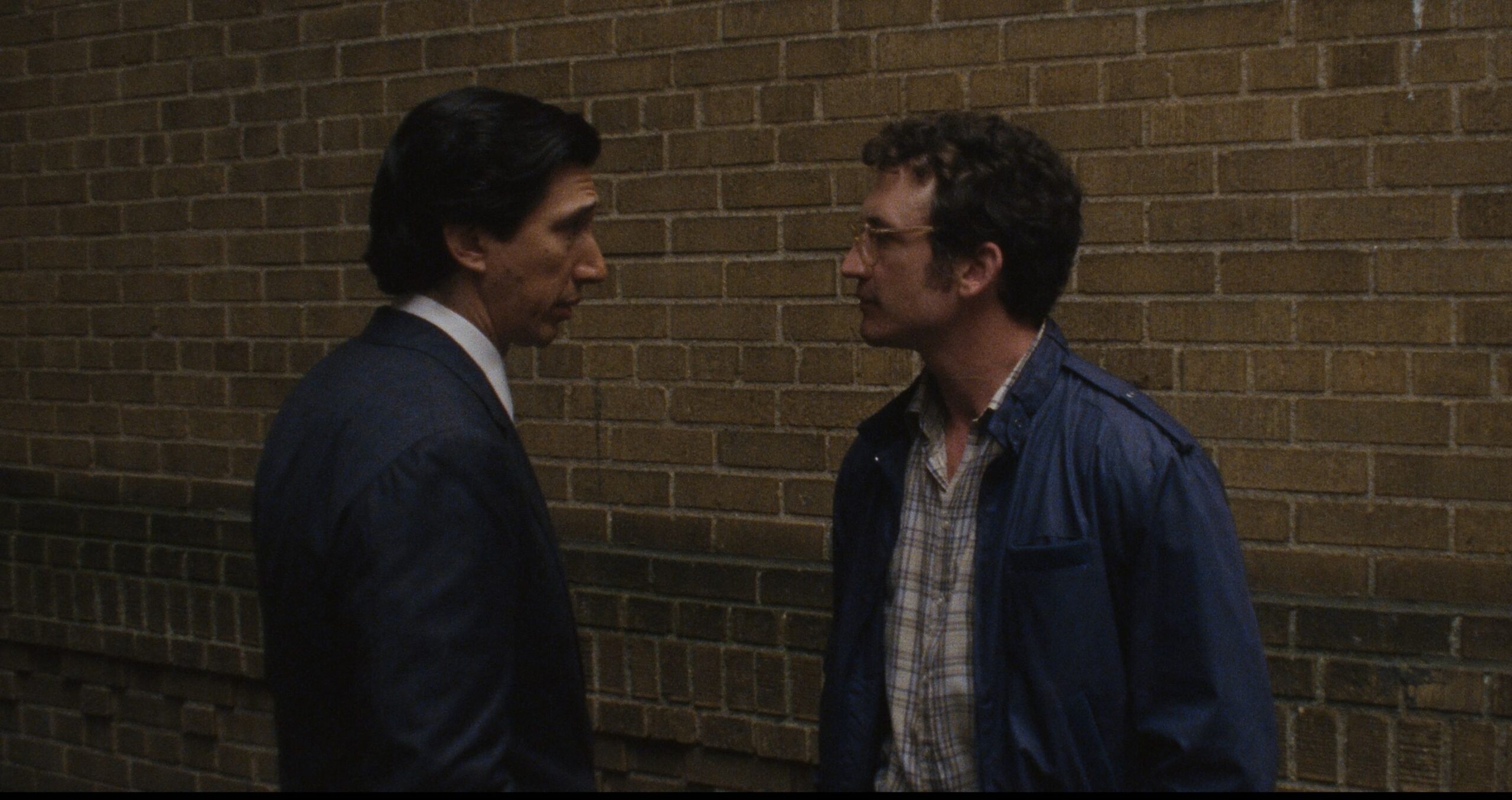
James Gray’s Paper Tiger is far more than a crime drama. At its heart lies a meditation on the American Dream, a concept Gray describes as both an aspiration and a mirage. Rather than presenting success as an unquestioned ideal, the filmmaker examines the hidden costs that often accompany ambition.
Through the experiences of the film’s central characters, Gray explores how the pursuit of prosperity can lead ordinary people into moral compromise, forcing them to confront difficult choices and painful consequences. He is fascinated by the gap between what individuals hope achievement will bring and the reality that often follows once their desires are fulfilled.
For Gray, the American Dream is built on a powerful promise: that hard work, determination, and sacrifice can deliver a better life. Yet he also recognises that this promise can become dangerously seductive.
In Paper Tiger, characters pursue success believing it will solve their problems, validate their identities, or secure happiness for themselves and those they love. Instead, their ambitions gradually entangle them in situations that test their values. Gray is interested in the tragic tension between noble intentions and destructive outcomes. His characters are not villains. They are recognisably human people striving for something they believe will improve their lives, only to discover that the road to fulfilment is far more complicated than expected.

Based on James Gray’s discussion of Paper Tiger, the story centres on the collision between ambition, family loyalty, and the elusive promise of the American Dream
Gray describes the dream as both an aspiration and a mirage, a powerful ideal that drives people to seek success while often concealing the moral and emotional costs attached to that pursuit.
The film follows characters who long for a better life and who believe that prosperity will provide security, fulfilment, and meaning. Their ambitions, however, draw them into increasingly complex and dangerous circumstances. What begins as a pursuit of opportunity gradually becomes a test of character as each individual is forced to weigh personal gain against moral responsibility. The story examines how seemingly ordinary people, motivated by understandable desires, can find themselves making decisions that lead to unforeseen consequences.
At its heart, Paper Tiger is a tragedy
Drawing on classical themes, Gray explores the idea that people are often undone by the very dreams that inspire them. The characters are not driven by greed alone but by a yearning to improve their lives and those of the people they care about. Yet the closer they move toward their goals, the more they must confront questions of integrity, sacrifice, and guilt. Their pursuit of success becomes a journey into the darker side of human aspiration.
Rather than celebrating the American Dream as a straightforward path to happiness, the film investigates its contradictions. Gray suggests that achieving one’s desires can carry a significant emotional price. Success does not necessarily bring peace; instead, it may create new burdens and expose uncomfortable truths about the choices made along the way. As relationships are strained and loyalties tested, the characters discover that every ambition demands a reckoning.
Ultimately, Paper Tiger presents a deeply human story about longing, love, and consequence
Through its characters’ struggles, the film questions whether the rewards of success are worth the sacrifices required to attain them. Gray’s vision is compassionate rather than judgmental, portraying flawed individuals whose dreams are both admirable and destructive. The result is a powerful exploration of the American Dream as a force capable of inspiring hope while simultaneously leading people toward their own tragic undoing.
This theme places Paper Tiger firmly within the tradition of tragedy. Gray has indicated that the film was influenced by classical dramatic ideas, particularly the notion that individuals are often undone by the very desires that drive them forward. The characters’ aspirations become the source of their suffering. What begins as a quest for advancement evolves into a confrontation with guilt, responsibility, and loss. In this sense, the film examines a timeless human dilemma: the pursuit of dreams without fully understanding the price that may accompany them.
Gray’s perspective challenges the simplistic idea that success automatically brings happiness. He suggests that obtaining what one wants can sometimes create new burdens rather than alleviating old ones. Achievement may come at the expense of personal integrity, relationships, or inner peace. The moral consequences of ambition therefore become central to the story. Characters must live not only with the outcomes of their actions but also with the knowledge of how those actions have shaped them.
What makes Gray’s exploration of the American Dream particularly compelling is its humanity. He avoids judging his characters harshly and instead treats them with compassion and understanding. Their mistakes arise from familiar desires: the wish to provide for loved ones, to escape limitations, or to find meaning and purpose. By grounding larger social themes in intimate personal struggles, Gray transforms an abstract national ideal into a deeply emotional story about longing, choice, and consequence.
Ultimately, Paper Tiger presents the American Dream as both inspiring and perilous. It can motivate individuals to reach beyond their circumstances, but it can also seduce them into believing that success alone will bring salvation. Gray’s film suggests that dreams, however noble, carry risks, and that the true measure of a life may lie not in what is achieved but in what is sacrificed along the way.

American filmmaker, screenwriter and producer James Gray was born in New York City on 14 April 1969 and grew up in the Queens neighbourhood of Flushing. He studied filmmaking at the University of Southern California School of Cinematic Arts, where his student film Cowboys and Angels attracted industry attention and helped launch his professional career. At the age of twenty-five, Gray made his feature debut with Little Odessa (1994), a sombre family crime drama that won the prestigious Silver Lion at the Venice International Film Festival and immediately established him as an important new voice in American cinema.
Over the following decades, Gray built a reputation for creating thoughtful, emotionally rich films that explore family relationships, personal ambition, loyalty, guilt, and the search for meaning. His acclaimed body of work includes The Yards (2000), We Own the Night (2007), Two Lovers (2008), The Immigrant (2013), The Lost City of Z (2016), Ad Astra (2019), Armageddon Time (2022), and Paper Tiger (2026). Several of his films have been selected for competition at the Cannes Film Festival, reflecting the high regard in which he is held by the international film community.

Gray is often described as one of the few contemporary American directors working in the tradition of classic cinema. His films favour character, atmosphere and emotional depth over spectacle, often focusing on individuals struggling with family expectations, identity, and moral choices. Strongly influenced by both American and European filmmaking traditions, he has developed a distinctive style marked by elegant visual storytelling and profound compassion for flawed, complex characters. His work frequently returns to New York settings and examines the hopes and disappointments that accompany the pursuit of the American Dream.
Among Gray’s most celebrated creative partnerships is his collaboration with actor Joaquin Phoenix, who has appeared in several of his films. Throughout his career, Gray has remained committed to deeply personal storytelling, drawing inspiration from family history, memory, and lived experience. Widely respected for his intelligence, sincerity, and dedication to cinematic craftsmanship, he continues to be regarded as one of the most significant filmmakers of his generation, creating works that combine intimate human drama with themes of universal resonance.
